

+86 571 8659 2517

+86 180 5841 8258

info@zmuni.com


Overview of New Cosmetic Ingredient (NCI) Notifications in H1 2025 According to data published by China National Medical Products Administration (NMPA), a total of 80 new cosmetic ingredients completed notification procedures in the first half of 2025, marking a 77.8% year-on-year increase. Among the 80 notifications, 11 were submitted by overseas enterprises from Japan, South Korea, the United Kingdom, France, and Italy, indicating a continued trend of international innovation entering the Chinese market. Another notable trend is the rise of China's distinctive plant-derived ingredients, such as Chrysanthemum lavandulifolium extract, Paeonia delavayi seed oil, Phlomoides rotata extract, and Stachyose, highlighting China's
In the first half of 2025, China continued to advance reforms in cosmetic regulations and oversight. This article provides a systematic review of regulatory updates across four key areas, offering insight into the evolving compliance landscape. Full Version of China Cosmetic Safety Assessment Reports As of May 1, 2025, all cosmetic registrants and notifiers in China are required to submit a full version of safety assessment report that complies with the latest regulatory requirements when applying for product registration or notification. To support this transition, China's National Institutes for Food and Drug Control (NIFDC) issued a series of official notices and guidance
Last month, ZMUni Compliance Centre hosted a webinar focused on compliance requirements for special cosmetics in China. During the session, we introduced the basic definitions, regulatory pathways including registration and timelines for different product types, and shared typical enforcement cases involving non-compliant formulations. One major concern was the potential criminal liability linked to the use of prohibited or unapproved cosmetic ingredients — a growing issue in recent years. These cases highlight the need for full compliance, not just in formulation, but also in labeling and documentation. To manage these risks, companies must understand China's regulatory ingredient references. The Safety and
From July 1 to July 9, 2025, 4 new cosmetic ingredients were notified with the China National Medical Products Administration (NMPA). The technical requirements for the 4 new cosmetic ingredients mentioned above have not been disclosed, and they have not yet entered the safety monitoring period. Phytonadione Epoxide In recent years, the growing emphasis on efficacy-driven skincare has brought increased attention to vitamin-based ingredients in cosmetics. Traditional Vitamin K-1, however, is banned under China's Safety Technical Standards for Cosmetic due to its instability and allergenic potential. To address these issues, the notifier, Shandong Guangtongbao Pharmaceutical Co., Ltd., developed a structurally optimized derivative
In the first half of 2025, cosmetic regulations worldwide have evolved steadily. From mature markets in Europe and North America to emerging Asian economies, countries have made updates to ensure consumer safety, protect the environment, and advance industry development. These changes affect product market access and consumer interests directly. ZMUni Compliance Centre has summarized key regulatory updates from major markets, including the EU, US, Canada, South Korea and ASEAN. Europe EU updated Borderline Manual Manual with Vial and Ampoule Product Criteria: On January 24, 2025, the European Commission updated the Borderline Manual to clarify that products

This article provides a comprehensive overview of key regulatory developments in the food sector in June 2025, both in China and internationally. It focuses on updates related to new food ingredients, food additives, health foods, and feed, aiming to offer timely and in-depth regulatory alerts for enterprises engaged in food import and export. China Food Regulatory Updates Regulations & Standards In June 2025, the Standing Committee of the National People's Congress released the Draft Amendment to the Food Safety Law of the People's Republic of China for public consultation. Enterprises are encouraged to submit their feedback via the official NPC website
The global cosmetics regulatory environment continues to evolve. To help businesses stay updated with regulatory changes, ZMUni Compliance Center regularly releases a monthly recap of global cosmetics regulations. This article covers the regulatory developments related to cosmetics within China and globally in June 2025, with an emphasis on updates in cosmetic ingredients, cosmetic management, among others. China Cosmetic Regulatory Updates New Cosmetics Ingredients (NCI) Notification In June 2025, 14 new cosmetic ingredients were notified with the China National Medical Products Administration (NMPA). They include: The technical requirements for the 14 new cosmetic ingredients mentioned above have not been disclosed, and they have not yet
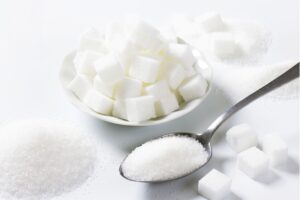
On July 2, 2025, the National Health Commission of China officially approved 20 substances as "Three-New Food", including 5 new food ingredients, 9 new food additives, and 6 new food-related products. Among the highlights is the long-anticipated D-allulose, a rare sugar gaining popularity in global low-calorie and functional food markets, marking China's first official approval of D-allulose. The details of the new food ingredients and additives are as follows: New food ingredients: No. Name in EN Remark 1 D-allulose/D-psicose Process 1: Fermentation using Escherichia coli K12 MG1655 AS10 (from glucose/sucrose); synthetic biology-based; includes
+86 571 8659 2517
+86 180 5841 8258
info@zmuni.com