导航菜单

The Cosmetic Product Information File (PIF) system in Taiwan was introduced in 2019 and gradually implemented through a three-phase rollout. As of July 1, 2026, the PIF requirements have become fully effective for all cosmetic products placed on the Taiwan market.
Under the new requirements, brand owners, manufacturers, and importers must prepare and maintain complete PIF documentation before placing cosmetic products on the market. ZMUni Compliance Centre summarizes the key requirements and frequently asked questions to help businesses better understand their compliance obligations.
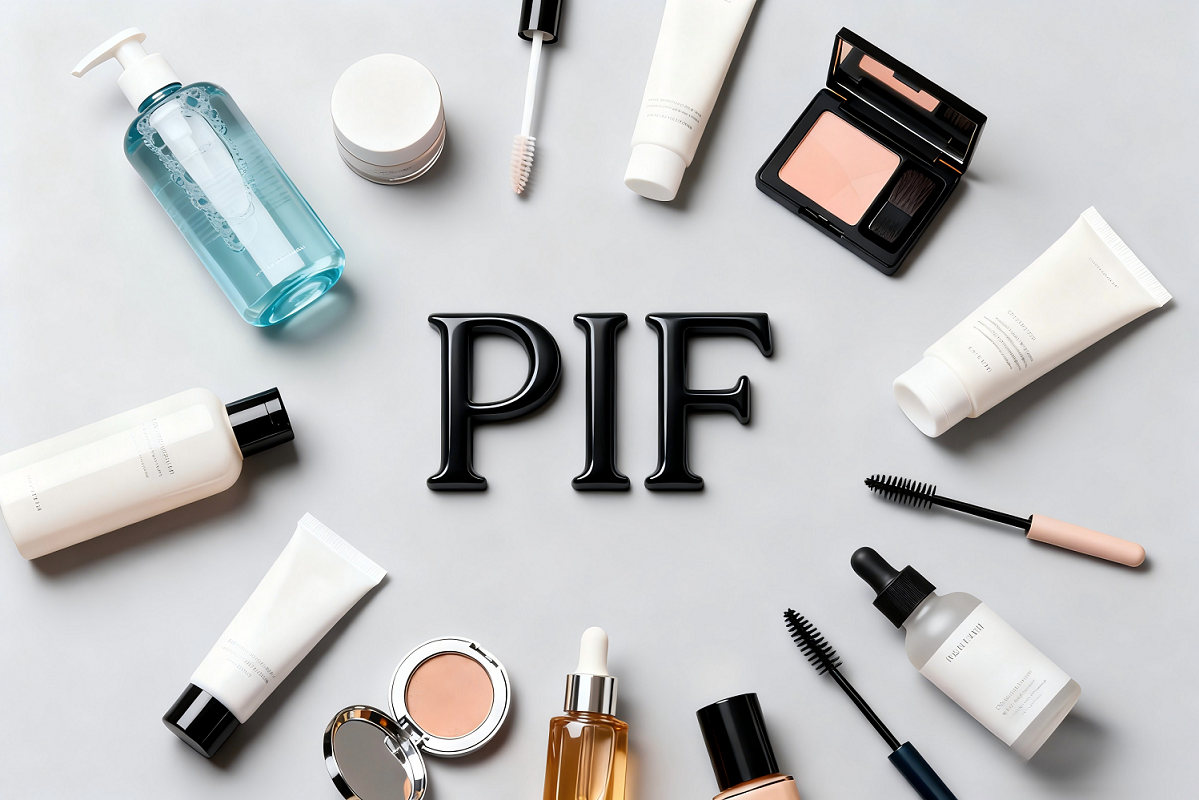
A Product Information File (PIF) is a structured dossier that compiles key information related to a cosmetic product, including formulation, manufacturing, quality, safety assessment, and efficacy substantiation. The PIF system is widely adopted in global cosmetic regulatory frameworks to support product traceability and safety management.
Under Taiwan’s cosmetic regulations, the PIF is a self-management mechanism administered by the Taiwan Food and Drug Administration (TFDA), designed to strengthen cosmetic safety management and align with international regulatory practices. According to Article 4 of the Cosmetic Hygiene and Safety Act and the Regulations for Management of Cosmetic Product Information File, the responsible company must prepare and maintain the PIF before a cosmetic product is marketed, sold, distributed as a gift, or provided for trial use. The PIF does not require prior submission to the authority but must be made available for regulatory inspection upon request.
The PIF system was introduced to strengthen manufacturers' self-management of cosmetic safety while allowing sufficient preparation time for industry. Mandatory implementation was carried out in three phases.
|
Effective Date |
Scope of Application |
|
Phase 1 July 1, 2024 |
Cosmetics containing: •Ingredients specifically regulated under Taiwan’s cosmetic ingredient regulations •Ingredients not listed under Taiwan’s regulations but already permitted for cosmetic use in the European Union, the United States, or Japan
Applicable product categories include: •Sunscreen products •Hair dye products •Hair perm products •Antiperspirant and deodorant products •Home-use tooth whitening products containing peroxides |
|
Phase 2 July 1, 2025 |
•Baby cosmetics •Lip products •Eye-area cosmetics •Non-medicated toothpaste •Mouthwash |
|
Phase 3 July 1, 2026 |
All remaining general cosmetics, except solid handmade soaps manufactured by facilities exempt from factory registration requirements. |
*Three-Phase Implementation Timeline of Taiwan Cosmetic PIF Requirements
Cosmetic importers in Taiwan
Cosmetic manufacturers in Taiwan
Brand owners or contract manufacturers responsible for placing products on the Taiwan market
OEM/contract manufacturers that only manufacture products and are not responsible for marketing them
Manufacturers of solid handmade soaps that are exempt from factory registration
A complete PIF generally includes the following:
|
PIF Section |
Required Information |
|
Product Information |
• Product name • Product category • Dosage form • Intended use • Information on all manufacturing facilities throughout the supply chain • Manufacturer/responsible company information • Product notification record • Complete ingredient list with concentrations • Product labels, packaging artwork, and package inserts
For products manufactured through multiple production stages, information on all manufacturing sites involved must be included. |
|
Manufacturing and Product Use Information |
• GMP certificate or declaration • Manufacturing process flow • Directions for use • Intended users • Application area • Frequency and amount of use |
|
Quality and Safety Documentation |
• Physicochemical characteristics of the product and ingredients • Ingredient toxicological data • Product stability study reports • Microbiological test reports • Preservative efficacy test (PET) reports • Adverse reaction records |
|
Packaging and Efficacy Substantiation |
• Information on packaging materials in direct contact with the product • Supporting evidence for efficacy claims, such as whitening or sunscreen claims |
|
Cosmetic Safety Assessment Report (CSAR) |
• Overall product safety assessment conclusion • Risk assessment report |
|
Assessor Qualification Documents |
• Academic qualifications and training certificates of the cosmetic safety assessor responsible for signing the safety assessment |
The PIF does not need to be submitted to or uploaded into any online system. Instead, manufacturers and importers are responsible for preparing, maintaining, and retaining the PIF in either electronic or paper format.
The PIF must be retained for at least five years from the day after the last batch of products is placed on the market and kept at the business address indicated on the product label, where it must be available for regulatory inspection upon request.
Documents prepared in languages other than Chinese or English (e.g., Japanese or Korean) must be accompanied by corresponding Chinese or English translations. For imported cosmetics, overseas PIF documentation may be referenced, but any required translations must be prepared and retained in accordance with Taiwan’s language requirements.
The person signing the Cosmetic Product Safety Assessment Report must possess a university degree in a relevant field, such as medicine, pharmacy, toxicology, cosmetic science, or other related disciplines.
The safety assessor is also required to complete 48 hours of mandatory training, including cosmetic regulations (4 hours), ingredient risk assessment (8 hours), and cosmetic safety assessment methodologies (36 hours). After qualification, the assessor must complete at least 8 hours of relevant continuing education annually.
Safety assessors holding recognized qualifications from countries or regions that have established mutual recognition arrangements with Taiwan may be exempt from the above training requirements.
The full implementation of the cosmetic PIF requirements marks an important step toward strengthening cosmetic safety management and regulatory compliance in Taiwan.
For brand owners and importers, preparing complete product documentation, testing records, and safety assessment materials in advance is essential for meeting regulatory obligations and ensuring smooth market access.
ZMUni Compliance Centre provides professional support for cosmetic PIF preparation and regulatory compliance, helping businesses efficiently meet Taiwan cosmetic compliance requirements. For inquiries, contact us at info@zmuni.com.
Official Link: