

+86 571 8659 2517

+86 180 5841 8258

info@zmuni.com


From July 23 to August 5, 2025, 5 new cosmetic ingredients were notified with the China National Medical Products Administration (NMPA). The technical requirements for the 5 new cosmetic ingredients mentioned above have not been disclosed, and they have not yet entered the safety monitoring period. Saccharomyces/Rice Ferment Filtrate Extract In December 2021, Shanghai Jahwa United Co., Ltd., together with Jiangsu Hengshun Vinegar Ind Co., Ltd., filed two patents related to Saccharomyces/Rice Ferment Filtrate Extract, one for its potential in treating eczema (CN 113855609 A), and another for anti-aging applications (CN 113855765 A). The extract is derived from fermented
On August 1, 2025, the National Health Commission of China issued a notice seeking public comments on 30 national food safety standards, including Standard for the Use of Nutritional Fortification Substances in Foods, which is the third time that this standard has been open for public comments during the revision process. The consultation is open for public feedback until September 26, 2025. Comments should be submitted via National Food Safety Standards Management System. Detalis are as follows: No. Standard Formulation/Revision 1 General Standard 1. Standard for the Use of Nutritional Fortification Substances in Foods Revision 2 Standards for
On July 30, 2025, China National Medical Products Administration (NMPA) released the Notice on the 2025 Cosmetics Standard Project Plan, which announced 34 cosmetics standard formulation and revision projects proposed by NMPA's Cosmetics Standardization Technical Committee. The notice is open for public comment for 7 days from the date of publication. Feedback can be submitted via email to: hzpjgs@nmpa.gov.cn The whole project plan involves a total of 34 cosmetic standards, comprising 5 revisions of existing standards and 29 newly developed standards. These standards span five key areas—ingredient safety, product specifications, testing methods, toxicological assessments, and toothpaste-related standards. Notably, several of the proposed
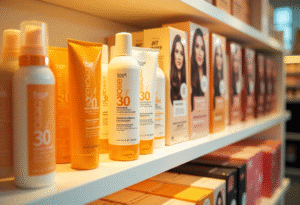
On July 31, 2025, China's National Institutes for Food and Drug Control (NIFDC) issued a public consultation notice on six draft technical guidelines concerning the research and quality control of hair dye, perm, and sunscreen cosmetics. These guidelines aim to provide clearer technical direction for product development, safety assessment, and quality standards for high-risk cosmetic categories—commonly referred to as special cosmetics under China's regulatory framework. The consultation is open for public feedback until August 15, 2025. Comments should be submitted via email to: hzppjzx@nifdc.org.cn. What's Included: Technical Guidelines for Hair Dye Products (Trail)(Draft for Comments) Technical Guidelines for Hair Dye Products Quality
On July 30, 2025, China's National Institutes for Food and Drug Control (NIFDC) released three draft testing methods, aimed at detecting prohibited ingredients in cosmetics, including substances such as diethylene glycol, dyclonine hydrochloride, and 16α-hydroxyprednisolone. The comment period is open until August 20, 2025, and feedback can be submitted via NIFDC's Cosmetic Standards Formulation and Revision Management System. Details are as follows: Testing Method Scope Determination of Diethylene Glycol in Cosmetics (Draft) This method specifies the procedure for determining the content of Diethylene Glycol in cosmetics using gas chromatography-mass spectrometry). It applies to creams and lotions, liquids (water- or

On July 23, 2025, China announced that the full customs closure of the Hainan Free Trade Port will take effect on December 18, 2025. This marks a key step in China's reform agenda, establishing Hainan as a customs-supervised free trade zone with zero tariffs, simplified import procedures, and global-standard investment rules. For international brands in cosmetics, personal care, food, and other FMCG sectors, Hainan is becoming a strategic gateway into China, offering preferential tax policies, supply chain flexibility, and streamlined regulatory access. What Is "Customs Closure"? Over the past decade, China has pursued a more targeted, rules-based trade policy, with the

From July 10 to July 22, 2025, 4 new cosmetic ingredients were notified with the China National Medical Products Administration (NMPA). The technical requirements for the 4 new cosmetic ingredients mentioned above have not been disclosed, and they have not yet entered the safety monitoring period. S-Acetyl-L-Glutathione S-Acetyl-L-Glutathione (SAG), an important precursor of glutathione, has gained widespread attention in recent years in the fields of food and dietary supplements. Glutathione is a key antioxidant in the human body, involved in various physiological functions, including antioxidant defense, immune regulation, and detoxification processes. SAG possesses antioxidant, brightening, and anti-aging properties, and

On July 17, 2025, China's General Administration of Customs (GACC) released its list of non-compliant imported food products for June 2025. According to the list, a total of 485 batches from 45 countries and regions were denied entry — representing a 4% increase from the previous month and a 13% rise year-on-year. The number of non-compliant food imports continues to rise. The majority of non-compliant imports came from Spain (18.1%), the U.S. ranked second (17.5%), followed by Brazil (13.2%), and Japan (7.4%). Key reasons for import rejections included: - Non-compliance with national food standards (272 batches) - Unqualified labeling (55 batches) - Discrepancy between cargo and certificates (54
+86 571 8659 2517
+86 180 5841 8258
info@zmuni.com