导航菜单

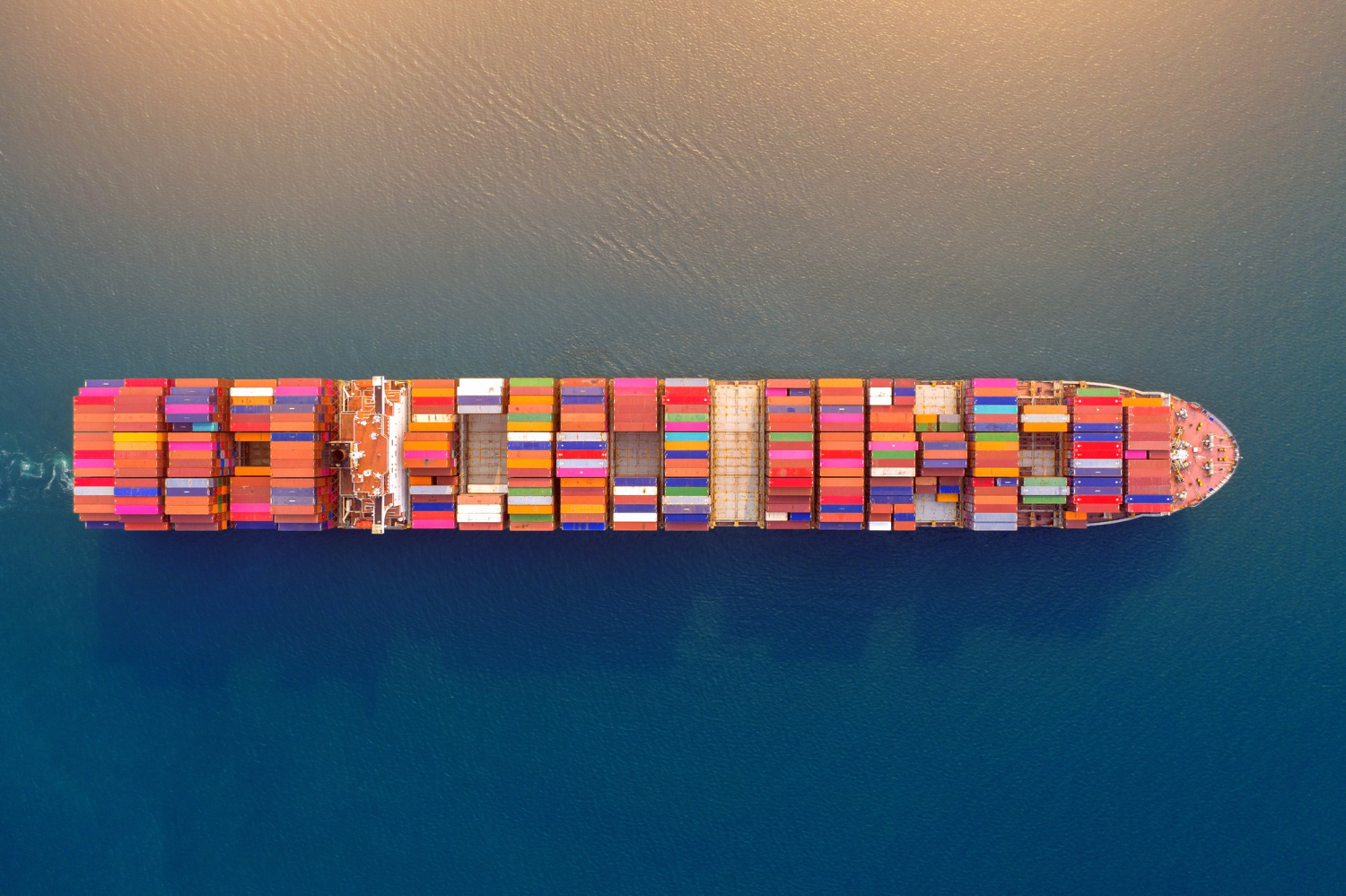
On May 18, 2026, China's General Administration of Customs (GACC) released information on imported cosmetics denied entry in April 2026. A total of 40 batches of non-compliant cosmetic products were rejected, involving well-known brands such as Shu Uemura, SkinCeuticals, and Yves Saint Laurent.
According to the notification, 39 batches were samples or promotional gifts. All were found non-compliant due to labeling issues. The products were declared by the same importer and entered China through the same port. They have been returned or destroyed in accordance with the law.
Cosmetic samples are a common marketing practice. However, brands often simplify label information on trial or promotional sizes, with some products displaying only the product name, brand name, or terms such as "sample" or "not for sale." In practice, however, cosmetic samples distributed in China are still subject to cosmetic labeling requirements.
So, how are cosmetic samples and other small-sized cosmetic products regulated in China? What labeling requirements apply to these products?
Cosmetics provided to consumers through free trials, gifts, redemption programs, or other promotional methods must comply with the requirements of the Administrative Measures on Cosmetics Labeling.
The production and sale of sample products without a Chinese product name, registrant/filer information, or expiration date are prohibited.
Cosmetic samples must be manufactured by enterprises holding a Cosmetic Production License. Distributors and operators are not permitted to formulate or refill cosmetic samples independently.
As cosmetic samples, trial sizes, and promotional products are typically sold or distributed in small-sized packaging, article 17 of the Administrative Measures on Cosmetics Labeling provides simplified labeling requirements for cosmetic products with a net content not exceeding 15g or 15mL.
Only core information is required to be displayed on the visible surface of the sales packaging, including:
Chinese product name
Registration certificate number for special cosmetics
Name of the registrant or filer
Net content
Expiration date / period of use
Other required information, such as ingredient lists and safety warnings, may be provided through accompanying leaflets, instructions, or electronic labels.
Imported cosmetic products entering the Chinese market must bear Chinese labels. Key labeling information must appear on the visible surface of the sales packaging, including information such as the product name, registrant/filer details, net content, and expiration date.
For small-sized products, certain supplementary information may be provided through alternative formats, including:
Printed or affixed labels on the packaging
Booklets or instruction leaflets
Electronic labels accessible via smartphone scanning
Where supplementary Chinese labels are affixed, their content must remain consistent with the original foreign-language labeling.
With extensive experience in China cosmetic compliance, we support overseas cosmetic brands throughout the entire market entry process. Our services cover label review, formula compliance assessment, NMPA registration and notification, Responsible Person (RP) services, and import customs clearance support for cosmetic products entering the Chinese market.
For further inquiries regarding China cosmetic compliance and market entry, please contact us at info@zmuni.com.