

+86 571 8659 2517

+86 180 5841 8258

info@zmuni.com


The global cosmetics regulatory environment continues to evolve. To help businesses stay updated with regulatory changes, ZMUni Compliance Center regularly releases a monthly recap of global cosmetics regulations. This article covers the regulatory developments related to cosmetics in China and globally in November 2025, with an emphasis on updates in cosmetic ingredients and cosmetic management, among other areas. China Cosmetic Regulatory Updates New Cosmetics Ingredients (NCI) In November 2025, 15 new cosmetic ingredients were notified with the China National Medical Products Administration (NMPA). They include: To learn more about these NCIs and their respective companies, check out the following episodes: Issue

On November 27, 2025, China's General Administration of Customs (GACC) released its list of non-compliant imported food products for October 2025. A total of 410 batches from 33 countries and regions were denied entry, representing a month-on-month decrease of approximately 7.4% (down 33 batches from 443 in September) and a year-on-year increase of about 107.1% (up 198 batches from 212 in October 2024). Key Issues Identified: The main issues were concentrated in the following areas: detection of melengestrol acetate (32.4%), non-compliant labeling (12.0%), inconsistencies between goods and certificates (12.0%), and failure in sensory inspection (9.8%). In addition, other issues included the detection of animal diseases, non-compliance related to the registration of overseas food manufacturers, the use
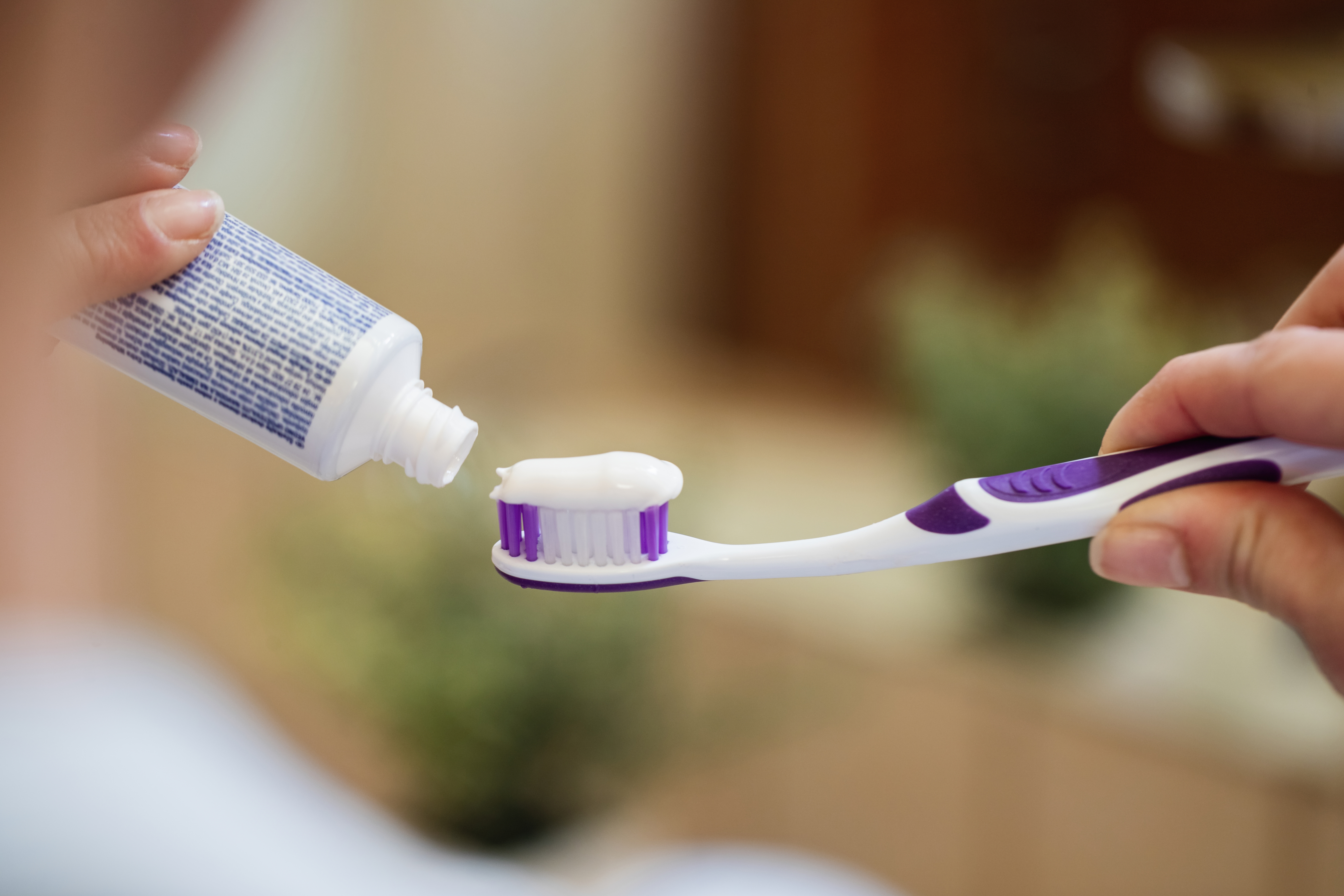
On December 1, 2025, China's National Medical Products Administration (NMPA) issued the Draft Catalogue for Toothpaste Classification for public consultation, with the comment period open until December 22, 2025. According to the draft, toothpaste notifier will be required to assign a product classification code when submitting a notification, based on the product’s efficacy category and target user group. Efficacy categories are detailed in Annex 1, while user groups are outlined in Annex 2. Efficacy Categories (Annex 1) Annex 1 establishes eight efficacy categories, each with a specific code, mechanism of action, and recommended claim wording: 01 Basic Cleaning
From November 18 to 30, 2025, 5 new cosmetic ingredients (NCIs) were notified with the China National Medical Products Administration (NMPA). The technical requirements for the 5 new cosmetic ingredients mentioned above have not been disclosed, and they have not yet entered the safety monitoring period. Notification 20250146 - Bloomage This ingredient notified by Bloomage Bio, is a high-performance, multifunctional cosmetic compound produced via chemical synthesis. Think of it as a "reinforced hybrid" of vitamin C derivatives and hyaluronic acid, cross-linked for enhanced stability and efficacy. It combines the brightening and spot-reducing effects of vitamin C with antioxidant protection against free radical damage and photoaging. At the same time,
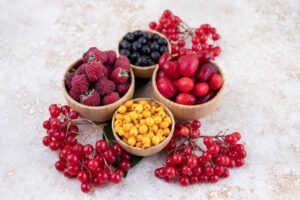
On November 27, 2025, the National Health Commission of China officially approved 14 substances as "Three-New Food", including 3 new food ingredients, 8 new food additives, and 3 new food-related products. The details of the new food ingredients and additives are as follows: New food ingredients: No. Name in CN Name in EN 1 威尼斯镰刀菌蛋白 Mycoprotein from Fusarium venenatu 2 接骨木莓花色苷 Elderberry anthocyanins 3 油橄榄果多酚 Olive fruit polyphenols New varieties of food additives No. Name in EN Remark 1 Branching enzyme New varieties of enzyme preparation 2 β-Alanine New food nutrition fortifier 3 (6S)-5-methyltetrahydrofolic acid, glucosamine salt Food nutrition fortifier with expand usage scope 4 6S-5-methyltetrahydrofolate calcium 5
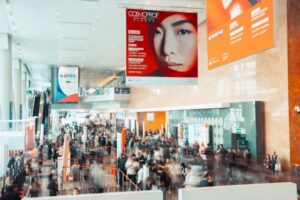
Recently, Cosmoprof Asia 2025 and Cosmopack Asia 2025 concluded successfully in Hong Kong. This year's event brought together 2,688 exhibitors from 46 countries and regions, showcasing innovations across skincare, makeup, fragrance, hair-care, nail products, and the full beauty supply chain. Spanning over 120,000 m², the exhibition demonstrated its strong international presence, with nearly 90% of exhibitors coming from outside Hong Kong. According to the organizers, the show welcomed over 70,000 professional visitors from Europe, the Americas, the Middle East, North Africa, and the Asia-Pacific region. Exhibitors from Southeast Asia and South Asia were particularly active, reflecting the energy
On November 18, 2025, China's National Center for Food Safety Risk Assessment (CFSA) issued a public consultation on 8 new food ingredients. The consultation is open until December 18, 2025, and comments or suggestions can be submitted to the official email address: xspyl@cfsa.net.cn. The proposed new food ingredients are:(Note: The first three ingredients have already been approved previously and are included in this consultation for adjustments.) Peony seed oil Nekemias grossedentata leaf polyphenols Cyclocarya paliurus leaf polyphenols L-Theanine(fermentation) Mycoprotein from Fusarium compactum Auxenochlorella pyrenoidosa (formerly Chlorella pyrenoidosa) Plant sterol
As China approaches the start of its 15th Five-Year Plan, the cosmetics industry is expected to enter a new stage of growth and transformation. This newly released Opinions serves as an important guide and reference for the development of China's cosmetics market over the next five years. On November 17, 2025, China's National Medical Products Administration (NMPA) officially released the final version of the Opinions on Deepening Cosmetics Regulatory Reform and Promoting High-Quality Development of the Industry. The draft of this document was publicly released for comments in September 2025. The Opinions introduces 24 reform measures across five key
+86 571 8659 2517
+86 180 5841 8258
info@zmuni.com