导航菜单

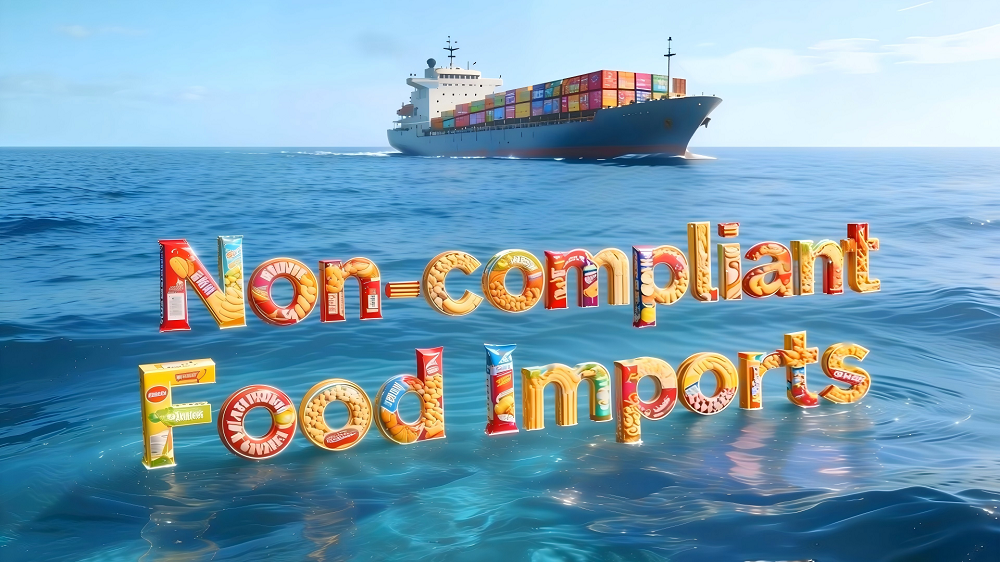
On July 16, 2026, China's General Administration of Customs (GACC) released its list of non-compliant imported food products for June 2026. A total of 548 batches from 40 countries and regions were denied entry, representing a month-on-month decrease of approximately 22% (down 158 batches from 706 in May 2026) and a year-on-year increase of about 13% (up 63 batches from 485 in the same period last year).
The 548 rejected batches covered a wide range of categories, including beverages, honey, alcoholic beverages, frozen meat, poultry and aquatic products, edible oils, puffed foods, and other food products. By country of origin, Ecuador continued to rank first in terms of the number of rejected batches, with a total of 238 batches, followed by the United States and Russia with 48 and 21 batches respectively.
In June, non-compliance related to sodium metabisulfite remained the leading cause of imported food rejections, with 234 cases reported, up from 202 in May. Excessive use of sulfur dioxide and sulfite additives continues to be a key concern.
Labeling issues decreased significantly, while seafood freshness-related issues showed a slight increase. Other recurring problems included certificate discrepancies, excessive nitrofuran metabolites, and animal disease concerns.
In June 2026, 11 batches of frozen blue crab from Venezuela were rejected due to excessive levels of volatile basic nitrogen (TVB-N), which exceeded China’s national food safety standards.
Total Volatile Basic Nitrogen (TVB-N) refers to a group of volatile nitrogen-containing alkaline compounds, mainly ammonia and amines, generated during protein degradation caused by enzymatic activity and microbial growth. As an indicator of freshness, TVB-N levels increase as protein degradation progresses.
1. Aquatic products are highly perishable
Aquatic products generally have high moisture content and are rich in protein. Breaks in the cold chain or prolonged storage and transportation can accelerate microbial growth, leading to protein degradation and increased TVB-N levels.
2. An objective indicator of freshness
Unlike sensory evaluation methods such as appearance and odor, TVB-N provides a measurable indicator to assess the degree of spoilage and detect potential quality issues at an early stage.
3. A regulatory compliance requirement
China's food safety standards set specific TVB-N limits for different categories of animal-derived foods. Excessive TVB-N levels often indicate spoilage and may be associated with the accumulation of biogenic amines, posing potential food safety risks. China's TVB-N limits include:
|
Food Category |
Maximum Level |
Standard |
|
Fresh and frozen livestock and poultry products |
≤15 mg/100g |
GB 2707-2016 |
|
Marine fish and shrimp |
≤30 mg/100g |
GB 2733-2015 |
|
Marine crabs |
≤25 mg/100g |
GB 2733-2015 |
|
Freshwater fish and shrimp |
≤20 mg/100g |
GB 2733-2015 |
|
Frozen shellfish |
≤15 mg/100g |
GB 2733-2015 |
|
Pickled raw aquatic products |
≤25 mg/100g |
GB 10136-2015 |
|
Prepared aquatic products (excluding dried and salted products) |
≤30 mg/100g |
GB 10136-2015 |
TVB-N itself is not considered directly toxic. However, elevated levels indicate food spoilage and may be accompanied by the formation of harmful substances, including biogenic amines.
Potential risks include:
Microbial contamination: High TVB-N levels indicate increased microbial activity, which may lead to foodborne illnesses or gastrointestinal symptoms such as nausea, abdominal pain, and diarrhea.
Accumulation of harmful compounds: Protein degradation may produce substances such as histamine and putrescine, which can trigger allergic reactions or other health issues when consumed in excessive amounts.
ZMUni Compliance Insights
Many global food exporters face costly border rejections due to insufficient preliminary compliance screening or misunderstandings of China’s evolving regulatory requirements. To prevent irreversible financial losses, enterprises are strongly encouraged to conduct comprehensive, proactive compliance assessments prior to shipment.
For more information on China food compliance, including including services for new food ingredient applications, please visit our food services pages or contact us at info@zmuni.com.