

+86 571 8659 2517

+86 180 5841 8258

info@zmuni.com


On August 6, 2024, the State Administration for Market Regulation of China issued the "Announcement on Soliciting Suggestions for the Catalogue of Health Functions Allowed to Be Claimed by Health Food". This aims to fully utilize the research advantages of social resources, encourage and guide individuals, enterprises, research institutions, and social organizations to participate in the evaluation of the development of new health functions for health food, and promote the supply of high-quality product research and development. The annex of the "Announcement" provided detailed information on the submission of suggestions for new health functions of health food and
On July 19, 2024, China State Administration for Market Regulation promulgated three Registration Guidelines for foods for special medical purpose (FSMP), specifically targeting electrolyte formula foods, carbohydrate component formula foods and protein component formula foods. These guidelines aim to streamline the registration process of these three kinds of FSMP products from the perspectives of documents submission and on-site inspection. Subsequently, on July 21, 2024, China SAMR issued a notice providing interpretative guidance to accompany these Guidelines. These Guidelines are formulated under the Administrative Measures for Registration of Foods for Special Medical Purpose and relevant regulations, aiming to reduce the cost
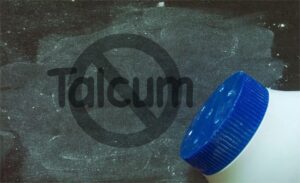
Recently, the World Health Organization’s International Agency for Research on Cancer (IARC) classified talcum powder as a "Group 2A carcinogen," meaning it is “probably” causes cancer. In response to IARC's assessment, ZMUni Compliance Centre has compiled information on compliance requirements for talc in China and Western countries, helping businesses and consumers better understand this ingredient. | IARC Classified as the Second Highest Level of Certainty After evaluating the evidence, the IARC has classified talc as Group 2A, indicating a probable carcinogen with the second-highest level of certainty. However, talc containing asbestos remains classified as Group 1, which represents the highest
In China, a new food ingredient refers to any food ingredient or substance that has not been previously used or approved for use in food products within the country. To ensure safety and compliance, new food ingredients must undergo a rigorous evaluation and approval process before they can be used in food products. ZMUni Compliance Center has compiled an overview of the acceptance and approval of new food ingredients in China for the first half of 2024 for your reference. | Approved Ingredients As of June 30, 2024, China NHC has issued one announcement (No. 2 of 2024)
Under China's Cosmetics Supervision and Administration Regulations (CSAR) released in 2020, companies must apply for registration and filing for cosmetic ingredients that are not listed in the Inventory of Existing Cosmetic Ingredients in China (IECIC 2021). Adjustments to the usage purpose or safe usage amount of existing cosmetic ingredients also require registration or filing. New cosmetic ingredients (NCIs) refer to natural or synthetic ingredients used for the first time in cosmetics within China. China mandates registration for NCIs with preservatives, sunscreen, coloring, hair dyeing, and skin-whitening functions, while other NCIs only require filing. Since implementing the Administrative Measures on

On July 8, 2024, China's National Medical Products Administration (NMPA) announced the full implementation of electronic submission for cosmetics (including toothpaste) and new cosmetic ingredient (NCI) registration and notification materials. This measure will be officially implemented starting September 1, 2024, with a transition period provided to ensure it does not disrupt companies currently applying for registration and notification. The electronic submission requirements will improve the cosmetics and NCI registration and notification process. Companies will no longer need to mail paper documents, as the process can be handled electronically. This change will reduce the effort companies must exert and lower
On July 8, 2024, the China National Institute for Food and Drug Control (NIFDC) released four technical guidelines aimed at enhancing cosmetic safety assessments. These guidelines include: 1. Technical Guidelines for Cosmetic Stability Assessment 2. Technical Guidelines for Preservative Effectiveness Testing of Cosmetics 3. Technical Guidelines for Compatibility Assessment of Cosmetic Packaging Materials 4. Technical Guidelines for Application of Skin Sensitization Integrated Testing and Assessment Strategies In conjunction with these guidelines, the NIFDC also released four corresponding Q&A documents to provide further clarity. The goal of these publications is to guide the industry in improving its cosmetic safety assessment

China Food Regulatory Updates On June 7, 2024, China's State Administration for Market Regulation (SAMR) issued the Work Specifications for the List of Non-Edible Substances That May Be Added to Food, aiming to ensure the necessity, scientific validity, and feasibility of the list of non-edible substances allowed for food additives by: a) establishing an expert committee; b) regulating the procedures for collecting and reviewing suggestions on additions or revisions to the list. This is intended to standardize food safety management. On June 14, 2024, the National Center for Food Safety Risk Assessment (CFSA) issued a public consultation on the new food ingredient
+86 571 8659 2517
+86 180 5841 8258
info@zmuni.com